
Cat5e vs Cat6 vs Cat6A: Which Network Cable Should You Choose?
Network cable lasts for years after switches are replaced. Here is how Cat5e, Cat6 and Cat6A compare in speed, distance and cost, and which one to install today.
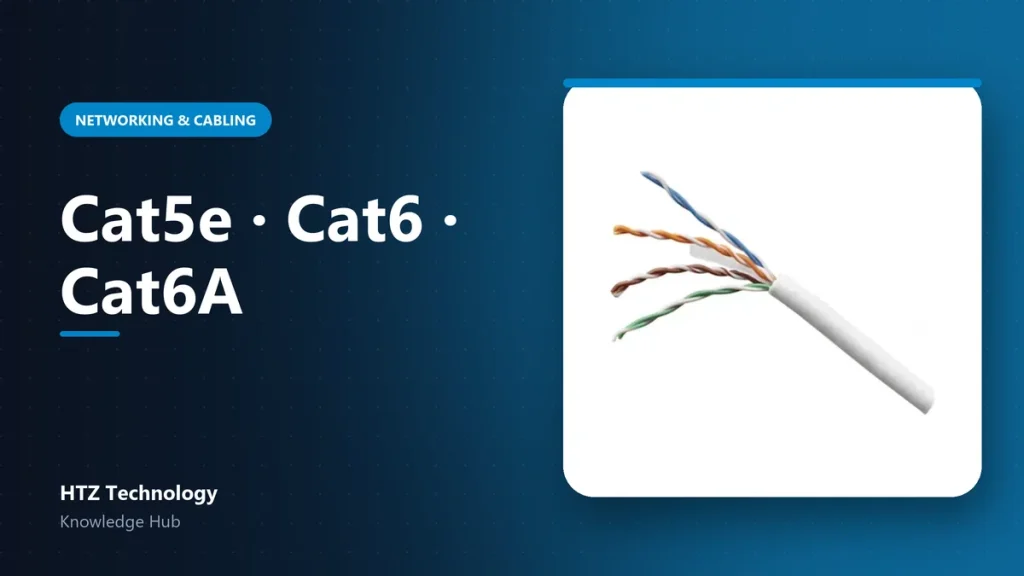
Cables are buried in walls and ceilings and are expensive to replace later. Choosing the right category at the start is one of the best long-term decisions in any building project.
Quick comparison
| Category | Typical speed | Max distance | Best for |
|---|---|---|---|
| Cat5e | 1 Gbps | 100 m | Small budget, basic needs |
| Cat6 | 1 Gbps (10 Gbps up to about 55 m) | 100 m | Most offices, CCTV, homes |
| Cat6A | 10 Gbps | 100 m | Servers, Wi-Fi 6/7 APs, future-proofing |
The 100-metre limit is for the full channel, including patch cords at both ends.
Cat6 is the sensible default
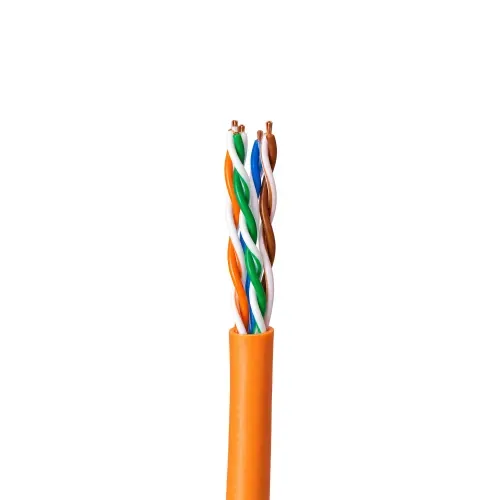
For most offices, shops, homes and CCTV systems, Cat6 offers the best balance of cost and performance. It handles gigabit easily, works well with PoE and gives some room for the future.
When Cat6A is worth it
- Backbone links between racks or floors.
- High-performance Wi-Fi access points that use multi-gigabit ports.
- Server rooms and buildings expected to stay in use for many years.
Cat6A is thicker and stiffer, so it needs more space in trays and conduits and more care during installation.
Indoor, outdoor and LSZH
- Indoor UTP: standard for most runs.
- Outdoor / UV-resistant: for runs exposed to sun and rain.
- LSZH jacket: low smoke zero halogen, preferred in offices, hospitals and public buildings for fire safety.
Match all the parts
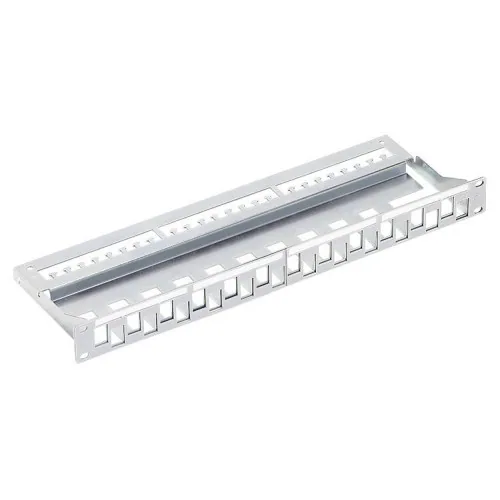
Use connectors, keystone jacks, patch panels and patch cords of the same category or higher. A Cat5e jack on a Cat6 cable limits the whole link.
Products mentioned in this guide
Genuine products with official warranty, delivered anywhere in Bangladesh.