
Pure Copper vs CCA Network Cable: Why the Cheaper Cable Costs More
Copper-clad aluminium (CCA) cable looks the same as pure copper but behaves very differently, especially with PoE cameras. Learn how to tell them apart.
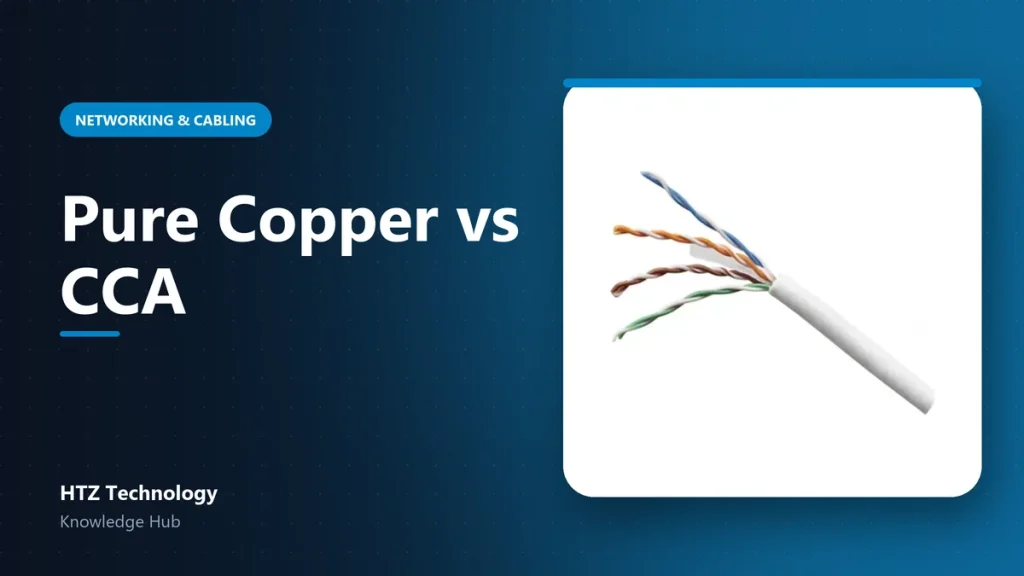
Walk into any market and you will find two kinds of network cable at very different prices. They look the same from outside. The difference is inside the wire, and it matters a lot.
What is CCA?
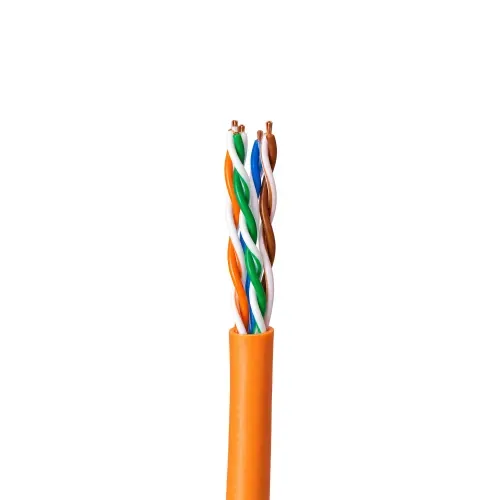
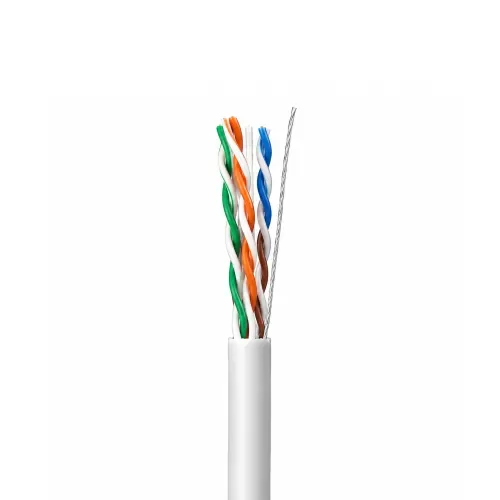
CCA stands for copper-clad aluminium: an aluminium core with a thin copper coating. Pure copper cable uses solid copper all the way through. CCA is cheaper because aluminium costs less.
Why it matters
- Higher resistance: aluminium carries current less efficiently, so signals and power drop faster over distance.
- PoE problems: PoE cameras and access points may reboot, show no picture at night (when IR LEDs draw more power) or fail completely on long runs.
- Heat: higher resistance creates more heat in bundles carrying PoE.
- Fragile: aluminium breaks more easily when bent or crimped.
- Not standards compliant: CCA does not meet the official Cat5e/Cat6 cabling standards.
How to check a cable
- Read the label: look for “solid bare copper” or “pure copper”. Be careful with vague terms.
- Scratch test: scrape a conductor with a blade. Pure copper stays copper-coloured inside. CCA shows silver aluminium.
- Weight: a box of pure copper cable is noticeably heavier.
- Buy from known brands and authorised sellers.
Is CCA ever acceptable?
For a short patch cord on a desk without PoE, CCA may work. For anything inside walls, any CCTV or PoE run, and any business network, choose pure copper. Re-cabling later costs far more than the price difference today.
Products mentioned in this guide
Genuine products with official warranty, delivered anywhere in Bangladesh.